Table Of Content

They are the rhythmic pulse that provides structure, order, and predictability. Designers often utilize patterns by repeating visual elements such as geometric shapes, lines, or color schemes to create a cohesive and visually pleasing composition. The beauty of patterns, however, truly shines when they are intelligently interrupted. The poster uses a vibrant, abstract painting as its background, filled with bold, contrasting colors. The event details, including the date, time, and venue, are presented in clean, minimalist typography with a stark white background.
Reasons "T" Shaped Employees are Worth Their Weight in Gold
Spotify recently change to a rich, varied and contemporary brand identity by using complementary colors on their new advertising. Designs may not have physical texture, but they do have visual texture. That is, texture in design refers to the way a surface is perceived to feel. (And visual senses can be just as acute as physical ones!) There are many different ways to evoke texture in design, like using natural photography, geometric patterns or even simple backgrounds. So it should come as no surprise that color is one of the most common ways to use contrast in design. An easy trick is to use two colors that are opposites on the color wheel.
33 famous graphic designers that everyone should know - Creative Bloq
33 famous graphic designers that everyone should know.
Posted: Thu, 15 Jun 2023 07:00:00 GMT [source]
You Might Be Interested On These Articles
Complementary colors are used to establish contrast, and they are easier on the eye. Academy of Art University’s academic catalog includes rigorous graduate education available online. The master of arts in graphic design and digital media is one of those programs, designed for degree-holders with a bachelor’s in graphic design or a related field. The graduate program provides advanced training in a format friendly to those who work or have to manage other obligations.
Contrast of shape

But with a color wheel to reference, these relationships are easy to understand. And you can literally pick colors on opposite sides of the wheel to add contrast. Since color is the easiest way to create contrast, it pays to have a peek at the color wheel. After all, unless you’re a designer, you probably haven’t thought about the relationship between primary, secondary and tertiary colors since grade school.
A Brief Guide to Contrast – A Design Principle
This can help to highlight specific elements, create a certain mood, or guide the viewer’s attention. At the core of captivating design lies the principle of contrast. This fundamental concept breathes life into every artistic work, setting the stage for visual storytelling.
This interruption immediately captures the user’s attention and emphasizes the importance of the featured piece, creating a dynamic and memorable browsing experience. By combining geometric and organic shapes strategically, designers can create a dynamic interplay that captures the viewer’s attention and conveys specific emotions or concepts. Contrast in design is a multifaceted concept that goes beyond color and text; it extends to the realm of spatial dynamics and structural elements. The deliberate juxtaposition of different shapes, lines, and forms can weave a compelling narrative within a design.
Monitor Calibration Is Made Easy With These 5 Online Tools - MUO - MakeUseOf
Monitor Calibration Is Made Easy With These 5 Online Tools.
Posted: Mon, 05 Jun 2023 07:00:00 GMT [source]
Best Master's in Graphic Design Degrees
By varying the size, weight, style, or color of your type, you can create contrast that guides the reader’s attention, creates hierarchy, and adds visual interest. Just remember to keep readability in mind when using contrast in typography. The layout features bold and large headlines that immediately catch your eye, guiding you through articles and highlighting key fashion trends. Contrasting with these prominent headlines is the smaller, lighter body text that provides detailed information about the featured clothing and accessories.
What is the difference between contrast and juxtaposition?
The design of airport signs both inside and outside the buildings must quickly direct traffic by foot, car, and plane by keeping accessibility in mind. Designers use font, color, and icons to communicate clearly to a diverse audience. The relative lightness or darkness of two elements can create a contrast in value. Whether with shades of gray or tints and shades of a single color, the further apart the values, the greater the contrast.
How to Use Contrast to Improve Your Graphic Designs
Now, however, the role of the graphic designer has expanded to include leadership roles in developing content for websites and social media as well as sophisticated branding strategies. One of the main reasons to use contrast in your designs, whether for print or web, is to grab attention. The site has large bold text and images, as well as a reversed out, high contrast color scheme. Use harmonizing, complementary, and opposite colors to create contrast.
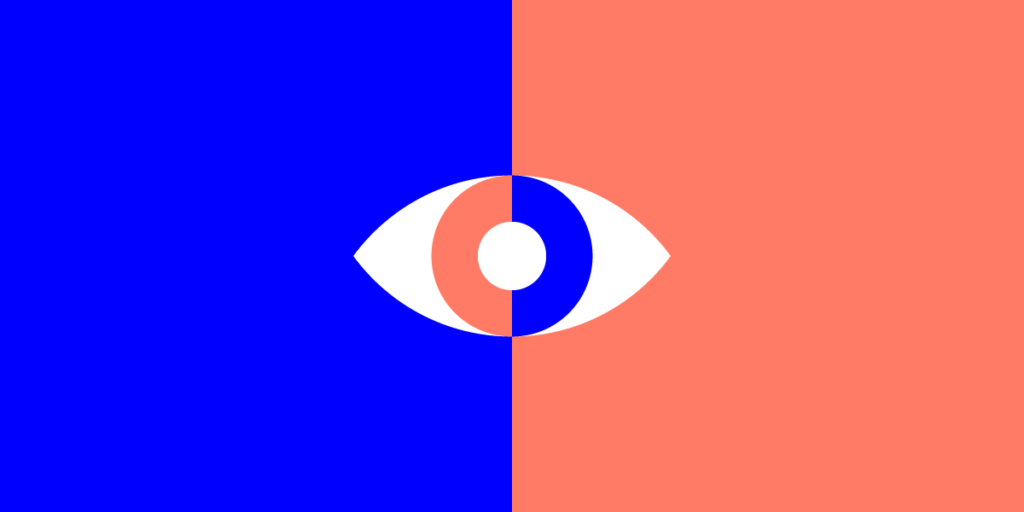
But sprinkle in some contrast, and you’re much more likely to engage and delight your audience. A good admissions counselor can also help you get the ball rolling to apply for financial aid. Most schools have merit- and need-based financial aid packages for students. You may also be able to access scholarships, grants, or loans from your employer or any professional organizations to which you belong. All programs are accredited by the regional or national agency that covers their area.
The program offers a format conducive to effective time-management that many learners need. Students may want an advanced degree but have other concerns, such as caregiving and employment, and this flexible degree supports those endeavors. Enrollees tend to do better in educational environments such as this, where personalized learning is emphasized and faculty support is available to all.
As we’ve explored through various examples, understanding and applying contrast is crucial for any designer looking to make a significant impact in the world of visual communication. The design principle contrast refers to the use of visually different elements. In addition to capturing attention, contrast can guide the viewer’s eye to a focal point, highlight important information and add variety, or even drama, to a design.
Playing with value progressions is a great way to add contrast without making things look too stark. For example, if you’re making an infographic, it can be helpful to assign a level of importance to the different pieces of information you’re going to be visualizing. This magazine cover for Proximity uses an interesting contrasty image of tiny white boats floating on a deep blue-green sea. Well, if you didn’t know the answer, they are the same size. By placing different size circles around the center one, you can create a different impression of the size of an element.
In grid B there are too many different colors the user doesn’t know which is the most important and there is zero hierarchy. In grid C the center shape takes precedence, the user knows what the most important part of the layout is as not only is it a different color but also a different shape. Contrasting weight, shape, and color is a good way to add a dynamic look and feel to your page. Another trick designers use is to create a grid of text on the page but have a text wrap around an image that takes up the central focus. The image boundary can be organic in nature, meaning it doesn’t have clean straight lines that would break up the super aligned copy.


No comments:
Post a Comment